The Euro has gone back and forth during the course of the trading session on Tuesday, as we were testing the previous uptrend line.
Technical Analysis
The following are the most recent pieces of Forex technical analysis from around the world. The Forex technical analysis below covers the various currencies on the market and the most recent trends, technical indicators, as well as resistance and support levels.


The Euro has gone back and forth during the course of the trading session on Tuesday, as we were testing the previous uptrend line.
Gold markets have initially tried to rally during the trading session on Tuesday only to turn around and show negativity.
EUR/USD: Bullish trend still valid
The West Texas Intermediate Crude Oil market has broken above the 50 day EMA during the trading session on Tuesday, as we continue to see a well-defined range that the market wants to be involved in.
The British pound initially tried to rally a bit during the trading session on Tuesday, reaching towards the 1.30 level.
After the announcement of the improvement in US President Trump's health condition after suffering from Coronavirus symptoms and his quick admission to the hospital to conduct the necessary tests and take some vaccines.
The pace of buying the US dollar has stopped after the announcement of Trump's health improvement from the symptoms of the Coronavirus.
Investors abandoned the US currency as a safe haven after announcing the improvement in president Trump’s health condition, who was exposed to Coronavirus symptoms.
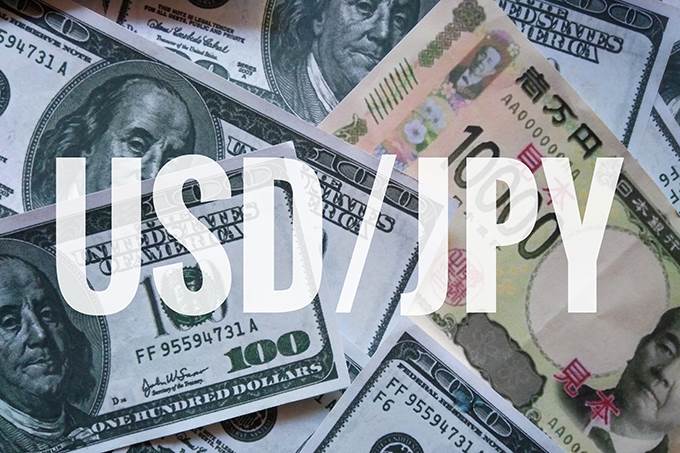
Risk appetite to compensating recent USD/JPY losses, which pushed it towards the 104.95 support by the end of last week.
Since late July the USD/CHF has traded within a protracted range largely between 0.90500 and 0.92400.
After touching resistance near the 9.15000 level on the 25th of September as risk-averse trading reached an apex, the USD/SEK has resumed its bearish trend and is making quick work of support levels in its way.
The USD/ZAR has been able to maintain its bearish stance the past few days of trading.
The past month of trading in the USD/INR has taken on an intriguing speculative flavor.
Mexico attempts to move forward while the Covid-19 pandemic remains a dominant depressor for consumer activity due to joblessness.
Brazil maintains a high number of Covid-19 cases, but the overall trend shows a gradual slowdown when more countries report an uptick in confirmed infections.