
The following Forex news reports are the latest developments of the Forex market. The news reports are updated frequently and include all the events that affect the foreign exchange trading industry.
Most Recent




Markets Open Calmly With Low Volatility; Russian Wagner Rebellion Over; Japan Warns of Response to “Excessive” Yen Movement
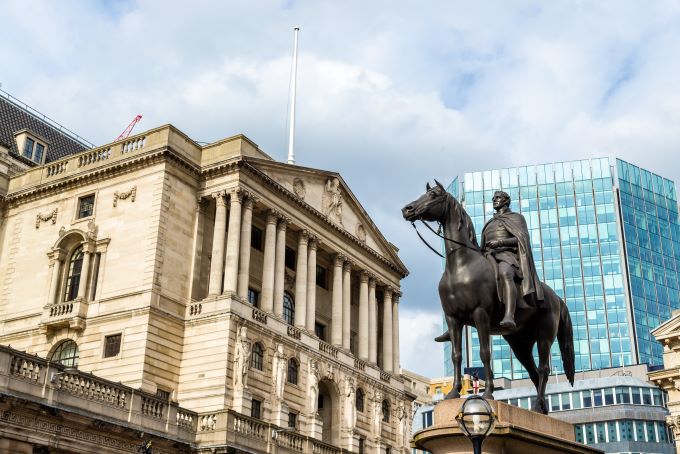
The BoE was widely expected to raise rates at Thursday’s meeting, but the extent of the hike had the markets guessing right up to the rate announcement.

0.25% Hikes Expected in UK and Switzerland; Powell Hawkish Before House, but Dollar Falls, Yen Weak; UK Inflation Remained High; Bitcoin Makes Strong Gains
Stocks Lower as Powell Expected to Emphasize Further Hikes, but Japanese Equities Rise; UK Inflation Data Release Due
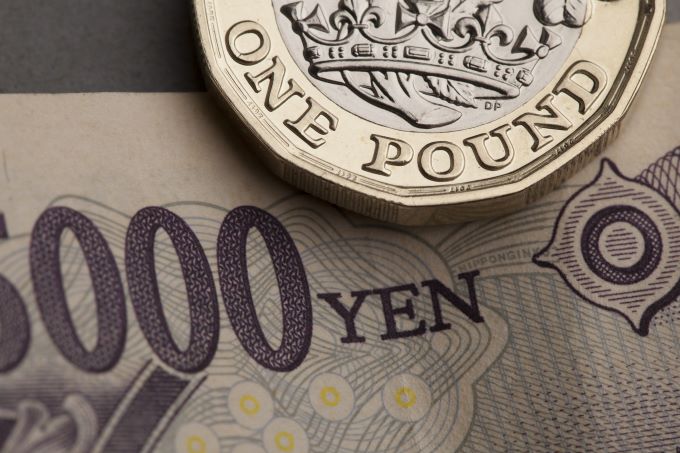
Japanese Yen Weakness Stands Out, USD/JPY Hits 1-Year High, GBP/USD in Strong Trends; Stocks Weaken in Asia; RBA Minutes ‘Finely Balanced’
Chinese Stimulus Looking Unlikely; USD/JPY, GBP/USD in Strong Trends; Stocks Weaken in Asia

US Federal Reserve Leaves Rates Unchanged, Points to Further Hikes; Japanese Yen Weakens to 7-Month Low, US Dollar Falls But Rebounds; Stocks Strengthen.

The US Consumer Price Index (CPI) dropped to 4.0% in May, down from 4.9% in April and just below the consensus of 4.1%.

US Federal Reserve Expected to Leave Rates Unchanged; US CPI Falls to 4.0%; US Dollar Weaker, Stocks Rise to New Highs
Bonuses & Promotions
US, Japanese Equities Power to New Highs; US CPI Expected to Drop to 4.1%; US Dollar Weaker, Turkish Lira Keeps Falling
Big Three Central Banks Meetings Await; Global Stocks Bullish; Cocoa Reaches Multi-Year High, Turkish Lira Keeps Falling

The Bank of Canada (BoC) hiked rates by 25 basis points on Wednesday, bringing the benchmark rate to 4.75%, the highest level since 2001.
Subscribe
Sign up to get the latest market updates and free signals directly to your inbox.
Stocks, Risky Assets Lower After BoC Decision; Yen Strengthens on Strong Japanese GDP Data; Cocoa Reaches Multi-Year High, Turkish Lira Plunges to Record Low
Australian GDP Grows by Only 0.2%; Global Stock Markets Mixed, US Bullish; Bank of Canada Rate Decision Today, Turkish Lira Hits Record Low
Aussie Jumps After Shock Rate Rise; Global Stock Markets Bullish, Especially Asia; US Dollar Selling Off