
The following are the most recent pieces of Forex fundamental analysis from around the world. The Forex fundamental analysis below covers the various currencies on the market and the most recent events, announcements, and global developments that affect the Forex market.
Most Recent
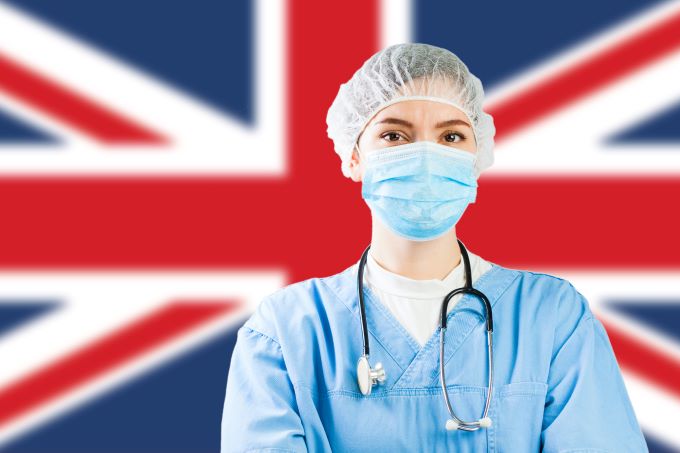

Advocates of Brexit have dismissed any negative projections about its negative consequences as “Project Fear”.
Critics of the referendum campaign to remain in the EU accused it of scaremongering, of implying that the UK would suffer severe, immediate economic consequences from any decision to leave.
The election of the new leader will be decided by postal ballot with the ballots to be distributed by the 8th of July
The latest meeting of the Monetary Policy Committee (MPC) of the Bank of England has decided to keep its powder dry and leave the interest rate where it has been since August of 2018 at 0.75%.
Last week was yet another positive affair for the world’s major stock markets.
The British handling of Brexit has often been described in the UK press as “can kicking” whereby any critical decision is delayed to the greatest extent possible – “kicking the can further down the road”.
It is certain that the next leader of the Tory Party, and therefore the next PM, will be a man since the only two female contenders (Esther McVey and Andrea Leadsom) were eliminated after the first vote.
One way of stimulating an economy is to make the cost of borrowing cheaper, but with many central bank lending rates still at or near historic lows, the power of such a move must be limited.
With the on-going beauty pageant to find the next leader of the Conservative Party and the next PM set to continue until the third week of next month
Bonuses & Promotions
Last week was another positive affair for the world’s major stock markets.
One of the selling points of Brexit was that it would enable the UK to “cut EU red tape”, freeing UK businesses from an unnecessary administrative burden.
The Tory leadership campaign got underway in earnest on Monday with 11 MPs vying to replace Mrs May as leader of the party and Prime Mininster.
Subscribe
Sign up to get the latest market updates and free signals directly to your inbox.The German economy is the powerhouse of both the EU and the slightly smaller Eurozone (28 nations vs 19).
The remit of the United States Federal Reserve Bank is responsible for the conduct of the US’s monetary policy and is independent of political control.
Last week was a positive affair for the world’s major stock markets.